
Property Manager Portfolio Standardization: One Sasquatch SKU, One Transferable Warranty, Across Texas Locations
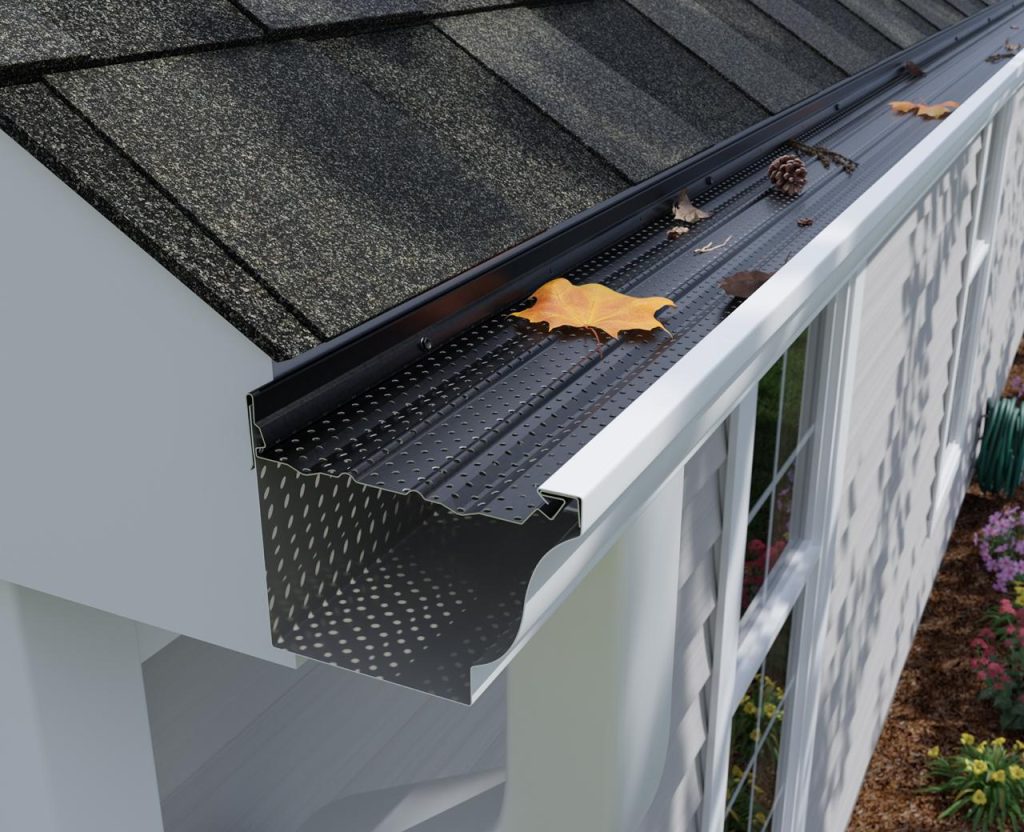
Texas commercial property managers running 20, 50, or 200 locations face a portfolio management problem that shows up in every capital expense category: specification drift. Each acquisition brings the specification that was on that property at closing. Over years, the portfolio holds three, four, or five different gutter protection products — each with its own maintenance vendor relationships, warranty terms, and installation quirks. Standardizing on one Sasquatch specification is how portfolio operators eliminate that drift.
What specification drift costs the portfolio
Specification drift is invisible in year one and expensive by year five (Buildings Magazine). The compounding costs include:
- Maintenance vendor complexity. Different products require different maintenance vendor relationships. The property manager runs three or four vendor contracts instead of one.
- Warranty documentation fragmentation. Every property carries a different warranty package. Insurance renewal packages take longer to assemble because the documentation lives in different places.
- Callback response time. Post-event callbacks require different repair techniques on different products. Vendors need site visits before diagnosis instead of routing directly to material.
- Disposition friction. When a property is sold, the buyer's diligence team asks about the gutter protection specification. A different answer on every property in the seller's portfolio raises diligence complexity and can affect the negotiated price.
How a single Sasquatch specification eliminates drift
Standardizing on Sasquatch as the portfolio specification collapses the drift into a single line (E-Z Gutter Guard):
- One product SKU. Sasquatch, 5″ or 6″ width matched to the location's gutter, .019″ or .022″ thickness selected by hail exposure.
- One warranty. Lifetime limited transferable warranty applies at every property. Insurance renewal packages reference one warranty document across the portfolio.
- One maintenance protocol. Post-event inspection uses the same four-item checklist at every property. Vendors run the same protocol regardless of location.
- One disposition answer. Buyer diligence receives the same specification and warranty answer for every property in the portfolio.
The transferable warranty in disposition workflows
The lifetime limited transferable warranty is the specific specification detail that lands in the disposition data room. When a property is sold, the buyer's diligence team confirms that the gutter protection warranty transfers to the new ownership. Non-transferable warranties do not transfer at closing — the buyer inherits an unwarranted product and adjusts the purchase price to reflect that inherited risk. Transferable warranties do transfer, and the buyer accepts the specification without price adjustment. Across a portfolio disposition of multiple properties, that difference compounds into a meaningful negotiating position.
The retrofit path to portfolio standardization
Property managers rarely rip-and-replace working gutter protection product across a portfolio all at once. The realistic path is a phased conversion: as each property's gutter maintenance cycle triggers, or as re-roof capital is programmed on each property, the Sasquatch specification replaces the incumbent. Over a three-to-five-year cycle, the portfolio converts to standardization one property at a time, and the specification-drift costs described above unwind on the same timeline.
The reordering and inventory advantage
A portfolio operating on one Sasquatch SKU across every property simplifies material logistics for the maintenance vendor. Reordering is a single purchase-order template applied across the portfolio, and inventory management collapses to one product-plus-fastener-set line. That simplicity matters most at scale — a 50-location portfolio reordering four or five different gutter protection products generates administrative overhead every time a property enters a maintenance cycle. One SKU eliminates that overhead line by line.
The same simplicity carries into the insurance broker relationship. When a broker prepares the annual portfolio renewal package, the specification page reads the same at every property. Underwriters reviewing that package see a portfolio operating on documented standards rather than a portfolio operating on whatever the seller left in place at each acquisition. That signal is difficult to build any other way (Insurance Information Institute).
Documenting the standardization decision
Portfolio managers document the standardization decision in a specification memo held by the asset management team. The memo names Sasquatch as the standard gutter protection specification, confirms the .019″ and .022″ thickness triggers by hail zone, and references the maintenance vendor training that supports the specification. The memo becomes the reference point when new acquisitions enter the portfolio and get placed on the conversion schedule.
Where CCSI fits
Construction Component Sales Inc. supports Texas commercial property managers standardizing on Sasquatch across their portfolios. That includes the specification memo language, the phased conversion sequencing, and the maintenance vendor coordination through CCSI's Texas distribution network. See the full CCSI E-Z Gutter Guard product line.
Frequently asked questions
How long does portfolio standardization on Sasquatch typically take?
Three to five years is the realistic conversion cycle for most Texas commercial portfolios. Each property converts as its gutter maintenance cycle triggers or as re-roof capital is programmed. All-at-once conversion is unusual because it does not align with typical capital planning.
Does the Sasquatch transferable warranty require any documentation at property sale?
The manufacturer's warranty documentation transfers with the property at closing. The seller confirms the specification and installation dates in the disposition data room. The buyer's diligence team confirms transferability against the manufacturer's standard warranty terms.
Should acquisitions always convert to the portfolio standard immediately?
Not typically. Acquisitions are placed on the conversion schedule and convert as the property's own maintenance or re-roof cycle triggers. Immediate conversion is only warranted when the incumbent product is failing and driving callback expense that exceeds the conversion cost.
How is the specification memo used in insurance renewal conversations?
The insurance broker references the specification memo when preparing the portfolio renewal package. A single standardized specification with a transferable warranty simplifies the underwriter's review and signals mature portfolio management practice.
Looking for a product or a quote?
Tell us about your project and we'll help you source the right building product.